Why Some Items Should Never Go to an Estate Sale
Guides & Resources · Preservation Logic
Estate sales are effective tools — for the right items.
But not everything belongs in an open-door, price-tagged, one-weekend environment.
Some belongings lose more than money when treated that way. They lose context, integrity, and opportunity.
Knowing what not to place into an estate sale is one of the most important decisions a family can make.
What Gets Destroyed in Estate Sales
Estate sales are designed for speed.
That speed comes at a cost.
Certain things are routinely damaged, diminished, or erased when sold this way:
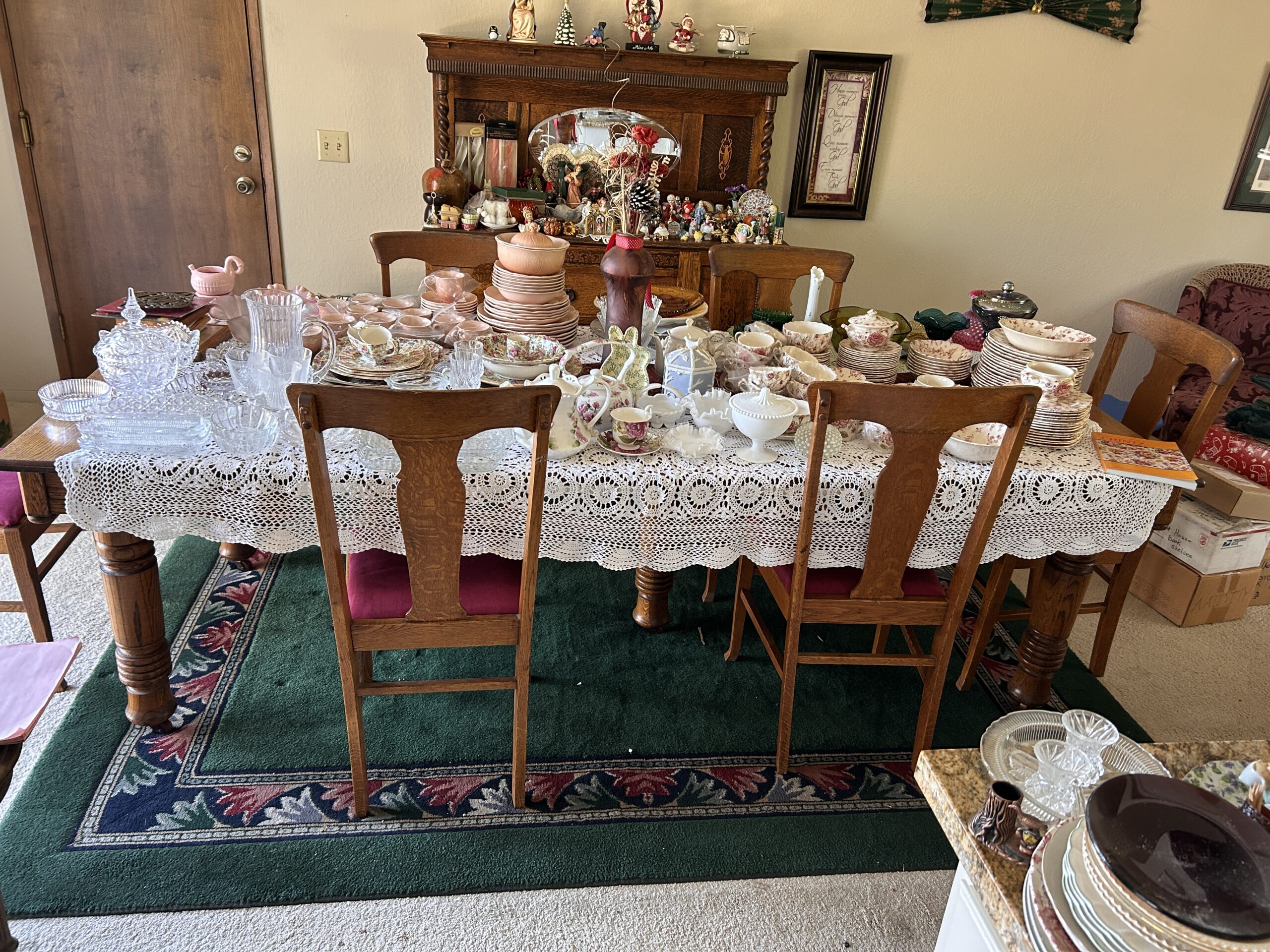
- Collections broken apart because pieces are priced individually
- Specialty items misunderstood by casual buyers
- Objects separated from their story, origin, or use
- Items handled excessively by crowds unfamiliar with their fragility
- Meaningful groupings reduced to décor
Nothing is intentionally harmed — but the format isn’t built to protect nuance.
When something requires explanation, care, or the right eyes, an estate sale is often the wrong environment.
What Deserves Private Placement
Some items don’t need crowds — they need recognition.
These often include:
- Collections that make sense together
- Specialty or niche items with a defined audience
- Objects whose value depends on condition and completeness
- Pieces tied to a particular lifestyle, craft, or era
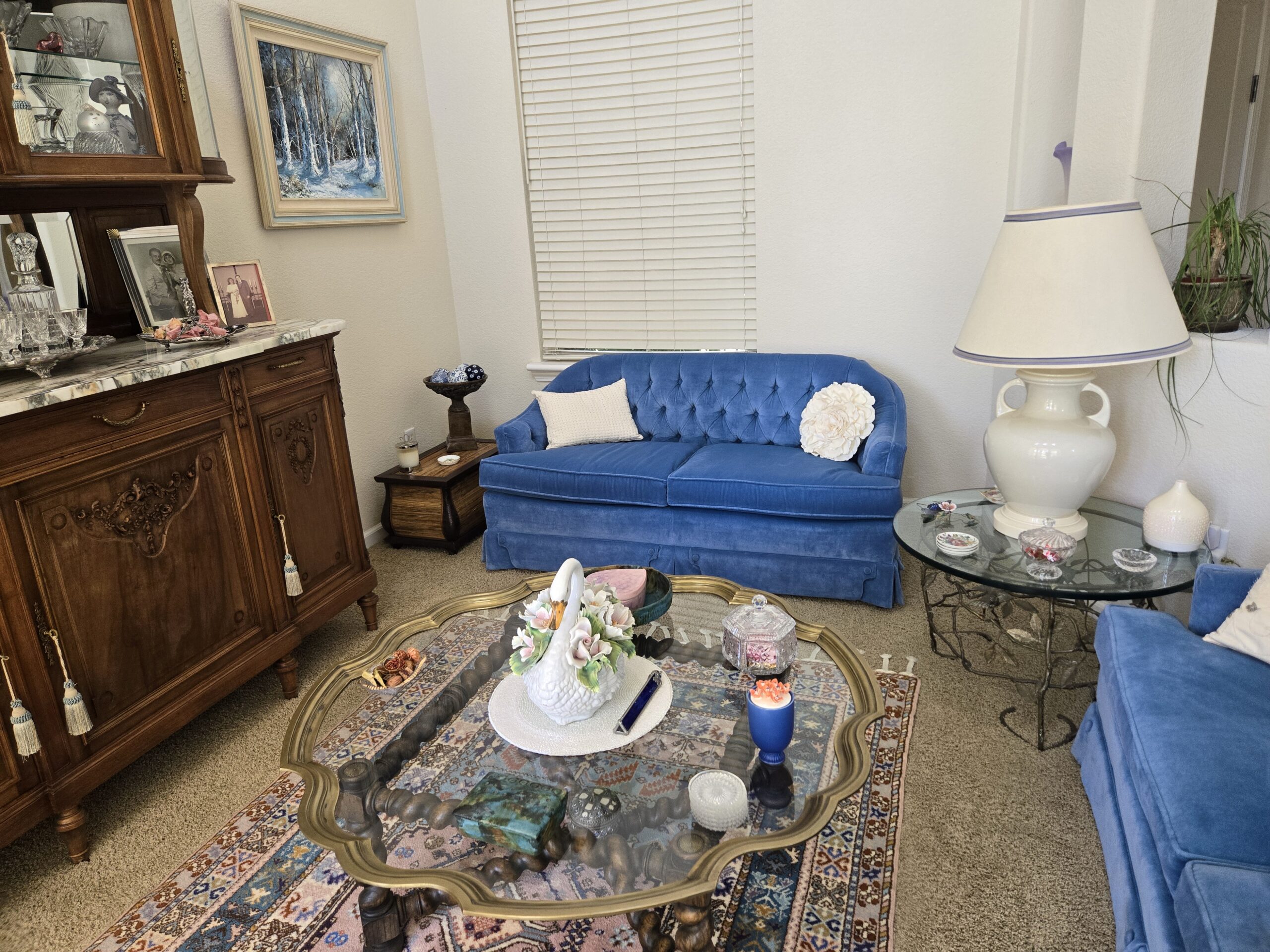
- Items better understood in a room, not on a folding table
Private placement allows these items to be:
- Seen in context
- Presented accurately
- Offered to buyers who already understand what they are
- Priced with intention instead of urgency
This doesn’t slow things down — it redirects them.
What Should Be Sold Differently
Not everything requires the same path.
Some belongings perform better when:
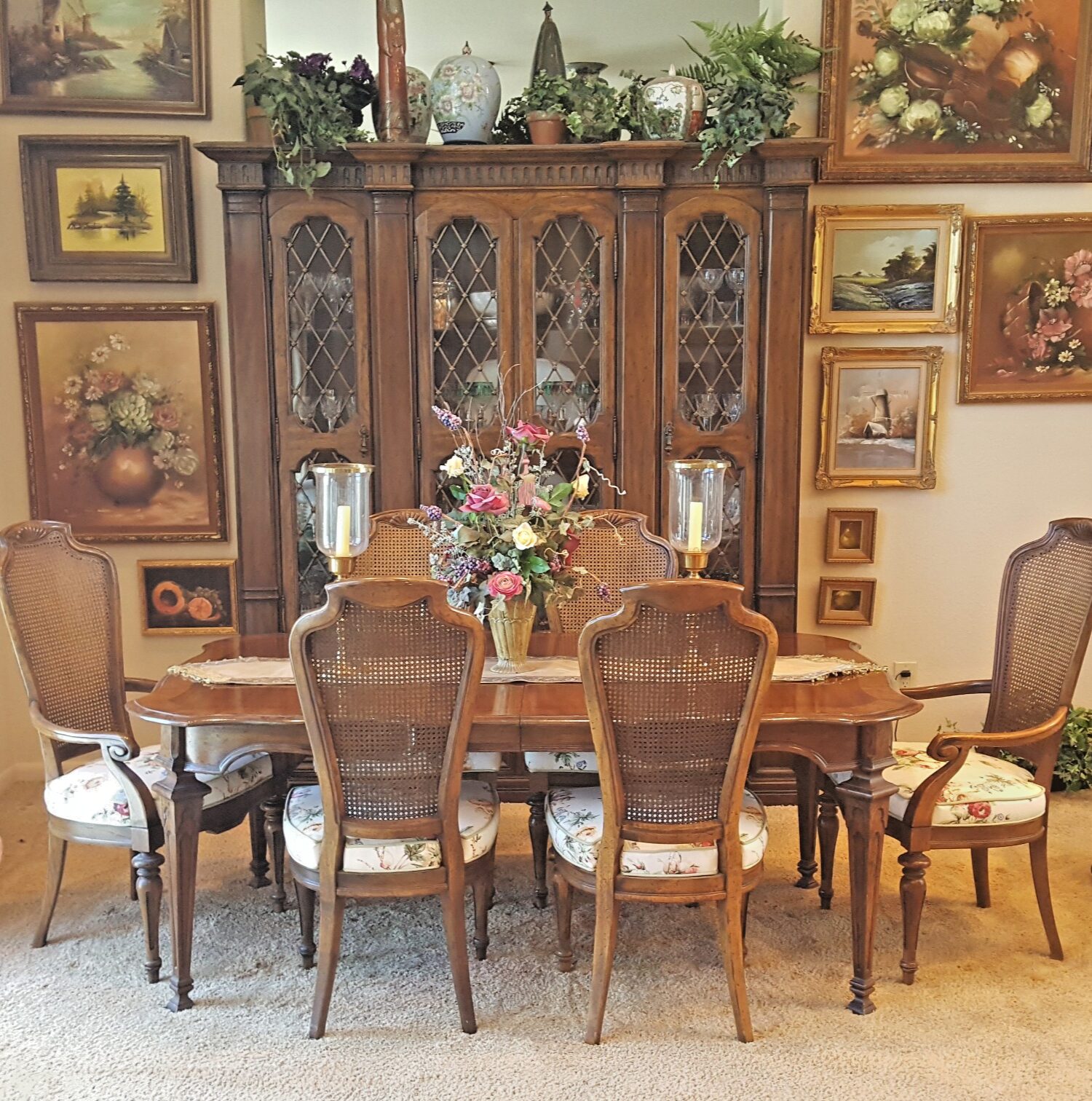
- Offered in curated rooms instead of individually
- Sold as complete sets or themed groups
- Placed with collectors rather than the general public
- Sold in bulk to knowledgeable buyers
- Handled through direct buyouts instead of public events
The mistake is treating the entire estate as one category.
The right approach separates:
- What should move quickly
- What should move carefully
- What should stay intact
- What should never be rushed
This protects both value and peace of mind.
Where These Items Go Instead
When items don’t belong in an estate sale, families still have options.
They often transition into:
- Rooms — where context and grouping matter
- Bulk buyers — who understand volume and category value
- Reseller paths — where knowledge replaces crowds
- Buyouts — when clarity and simplicity are the priority
The goal isn’t complexity.
It’s choosing the path that fits the item — not forcing the item to fit the path.
A Better Outcome
Estate sales are powerful — when used appropriately.
But preservation begins with restraint:
knowing when not to sell something publicly.
Protecting value sometimes means stepping back, not speeding up.
The next guide explains what ethical estate handling actually looks like when all of these pieces come together: