Not a Style. A Reset.
Mid-Century Modern design did not begin as an aesthetic trend.
It emerged as a practical response to a changing world — one shaped by post-war rebuilding, new materials, mass housing, and a desire to live better without excess. Designers were not trying to impress. They were trying to solve problems of space, light, function, and daily life.
That problem-solving DNA is why Mid-Century Modern still feels relevant decades later — not nostalgic, but usable.
The World That Shaped Mid-Century Modern
The period roughly spanning the mid-1940s through the late 1960s was defined by transition:
- Returning soldiers and expanding families
- Smaller homes with open layouts
- New materials and industrial processes
- A cultural shift toward optimism and progress
Design had to adapt.
Objects needed to:
- Serve multiple purposes
- Fit into flexible living spaces
- Be affordable without feeling disposable
- Look forward rather than backward
Mid-Century Modern design answered those needs with clarity and restraint.
The Core Principles That Define the Movement
Rather than decoration, Mid-Century Modern focused on relationships — between form, function, and environment.
Common principles include:
- Form follows function — nothing exists without purpose
- Clean, legible lines — shapes that explain themselves
- Honest materials — wood looks like wood, glass like glass
- Visual lightness — objects that don’t crowd a space
- Human scale — furniture and objects sized for real bodies
These principles apply equally to a chair, a lamp, a drinking glass, or a ceramic bowl.
Why Mid-Century Objects Feel Calm in a Room
One of the most overlooked qualities of Mid-Century Modern design is emotional neutrality.
Well-designed Mid-Century objects:
- Don’t demand attention
- Don’t compete with one another
- Don’t feel tied to a single moment
Instead, they create visual breathing room.
That’s why Mid-Century furniture pairs so naturally with:
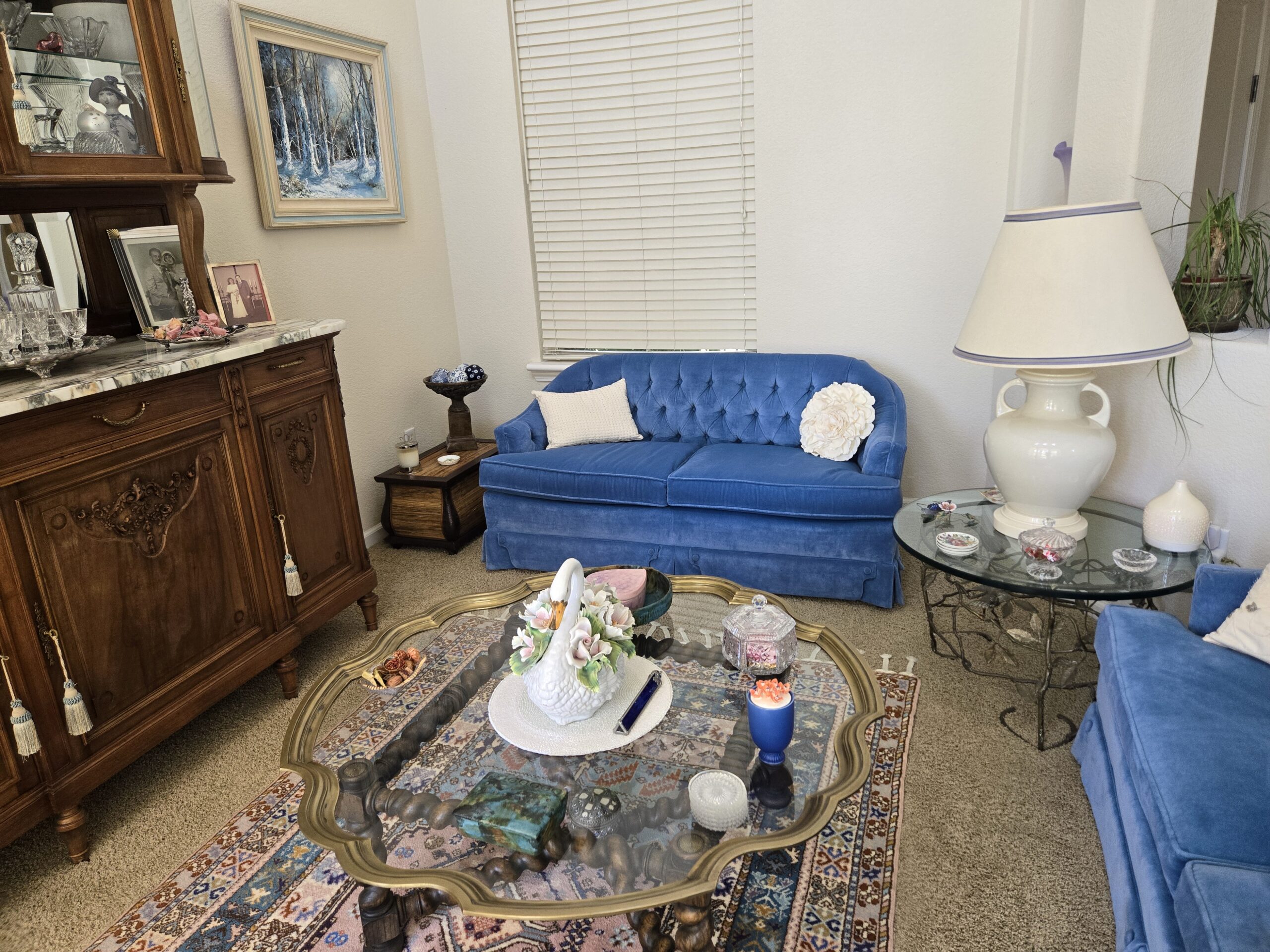
- crystal and glass
- milk glass lighting
- simple ceramics
- patterned but restrained tableware
The objects support the space — not the other way around.
Materials That Defined the Era
Mid-Century Modern design embraced materials that balanced warmth and precision:
- Solid and veneered woods
- Glass used for light and openness
- Ceramics with restrained forms
- Metal used structurally, not decoratively
The goal was never luxury for its own sake. It was durability paired with visual calm.
This makes authentic Mid-Century pieces especially compatible with lived-in homes, not just staged interiors.
Mid-Century Modern Is Not a Look — It’s a Language
Many items are labeled “Mid-Century” today simply because they resemble the era.
But true Mid-Century Modern design is recognizable by:
- Proportion
- Balance
- Purpose
A piece doesn’t need to be iconic to be correct.
When something feels timeless rather than trendy — it’s usually because it follows the language, not the label.
Why Mid-Century Modern Works With So Many Objects
Mid-Century Modern acts as a connector, not a category.
It provides a visual framework that allows:
- vintage glass to feel intentional
- older crystal to feel modern
- utilitarian objects to feel designed
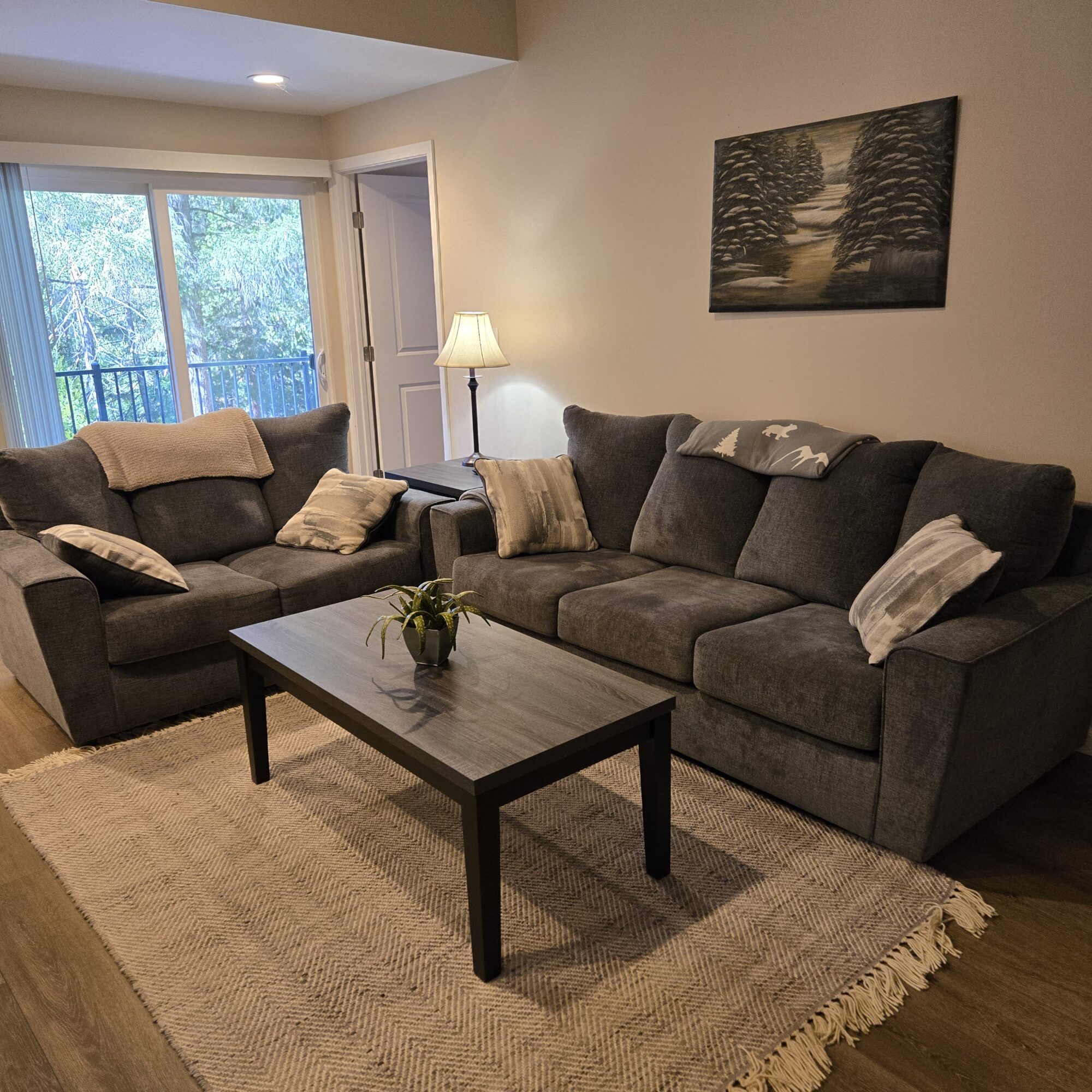
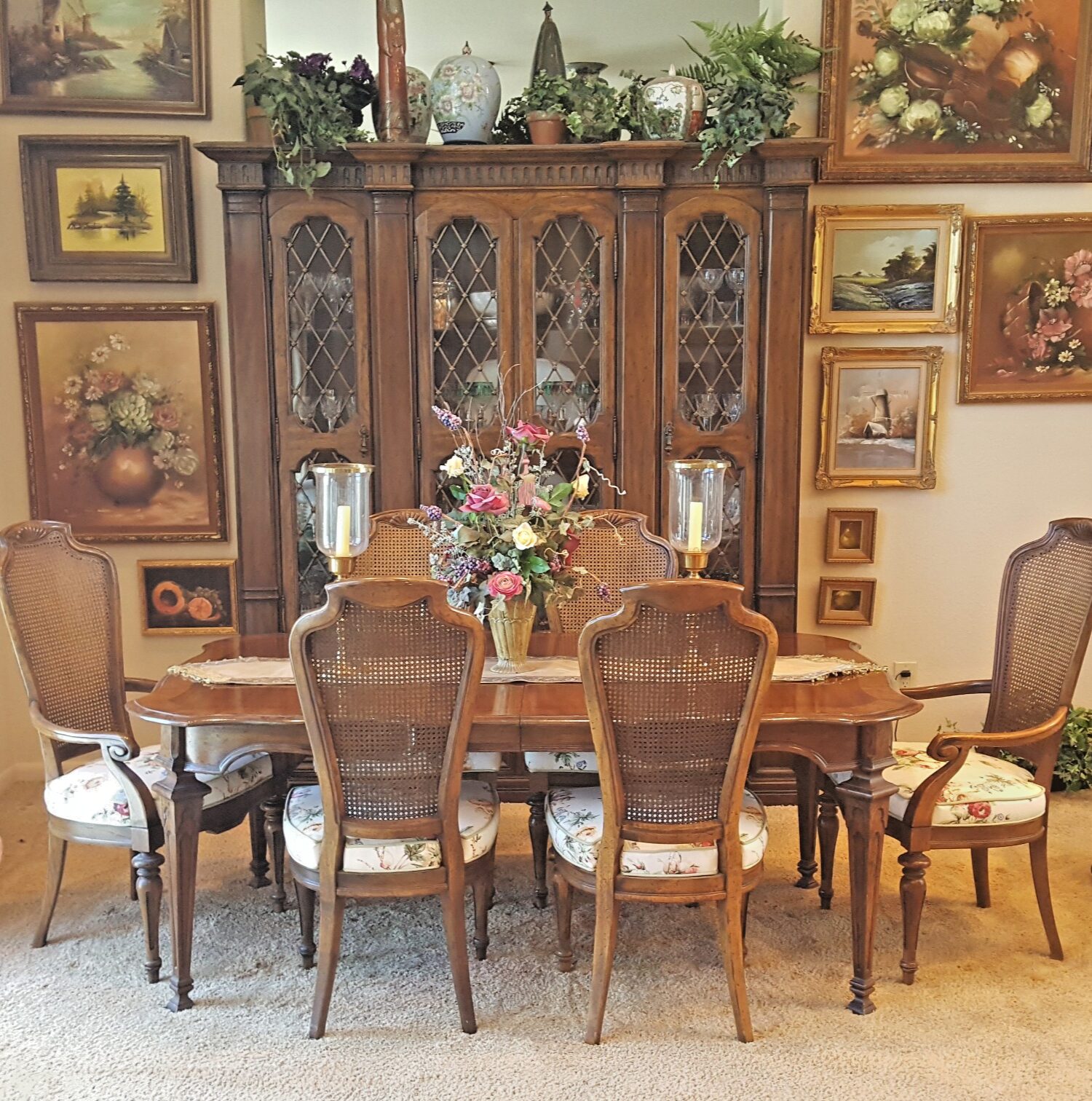
This is why Mid-Century furniture often becomes the anchor in rooms that also include pieces from earlier or later eras.
It doesn’t overpower — it integrates.
Collecting Mid-Century Without Chasing Icons
While famous designers exist, meaningful Mid-Century collecting doesn’t require name recognition.
Collectors who live with Mid-Century objects tend to prioritize:
- Condition and structural integrity
- Materials and craftsmanship
- How pieces work together
- Comfort and usability
The most satisfying collections are often built around coherence, not signatures.
Why Mid-Century Modern Belongs at the Core of Gold Country
Mid-Century Modern aligns naturally with the Gold Country approach because it values:
- Thoughtful design
- Human scale
- Daily use
- Long-term relevance
It creates rooms that feel intentional without feeling staged — spaces that invite living, not just looking.
This page serves as the foundation for exploring Mid-Century objects across furniture, glass, lighting, and domestic life — without reducing them to trends.
Where This Leads Next
From here, Mid-Century Modern becomes a lens rather than a limitation.
Future pages will explore:
- Mid-Century furniture forms
- Lighting and material innovation
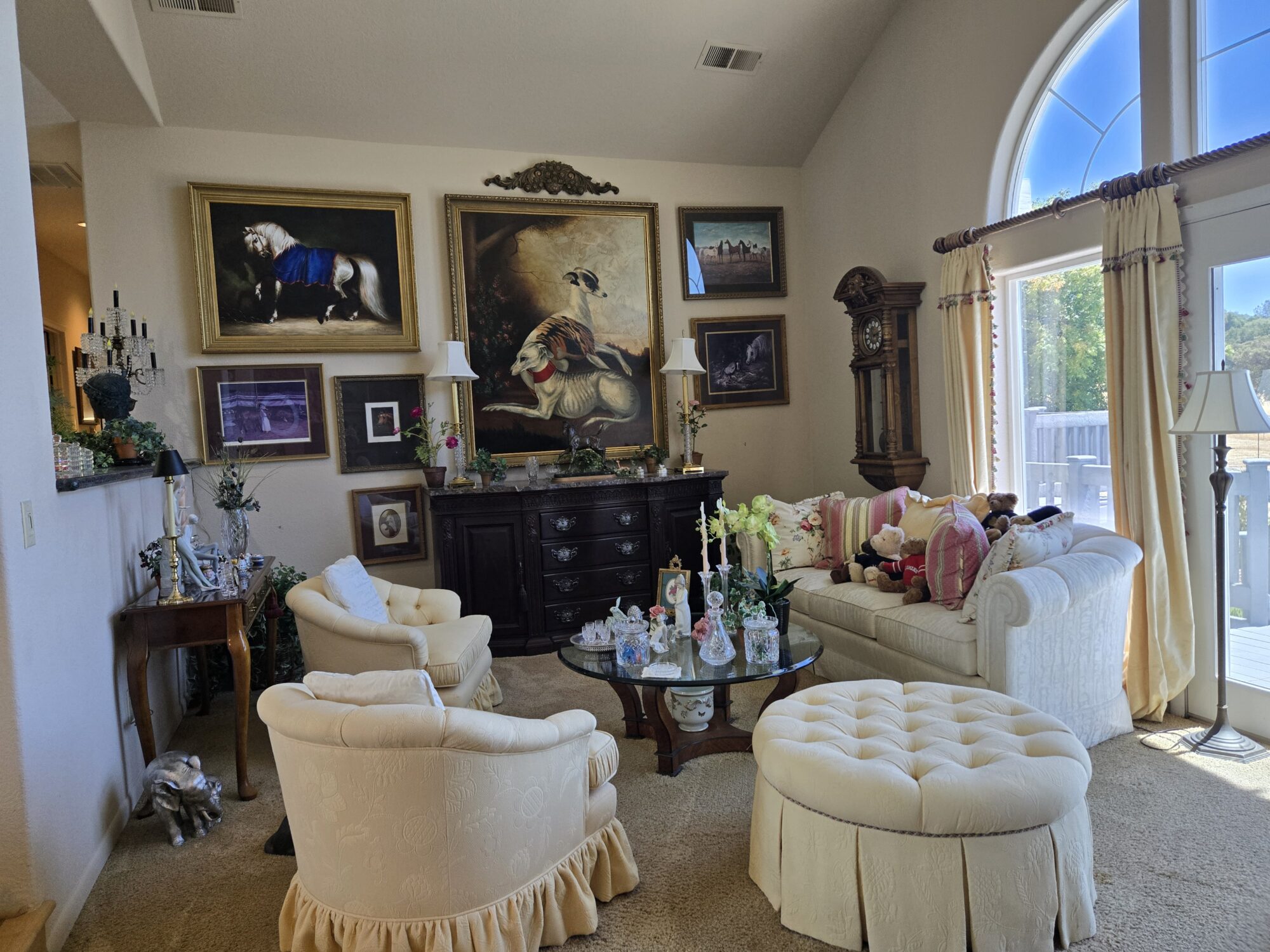
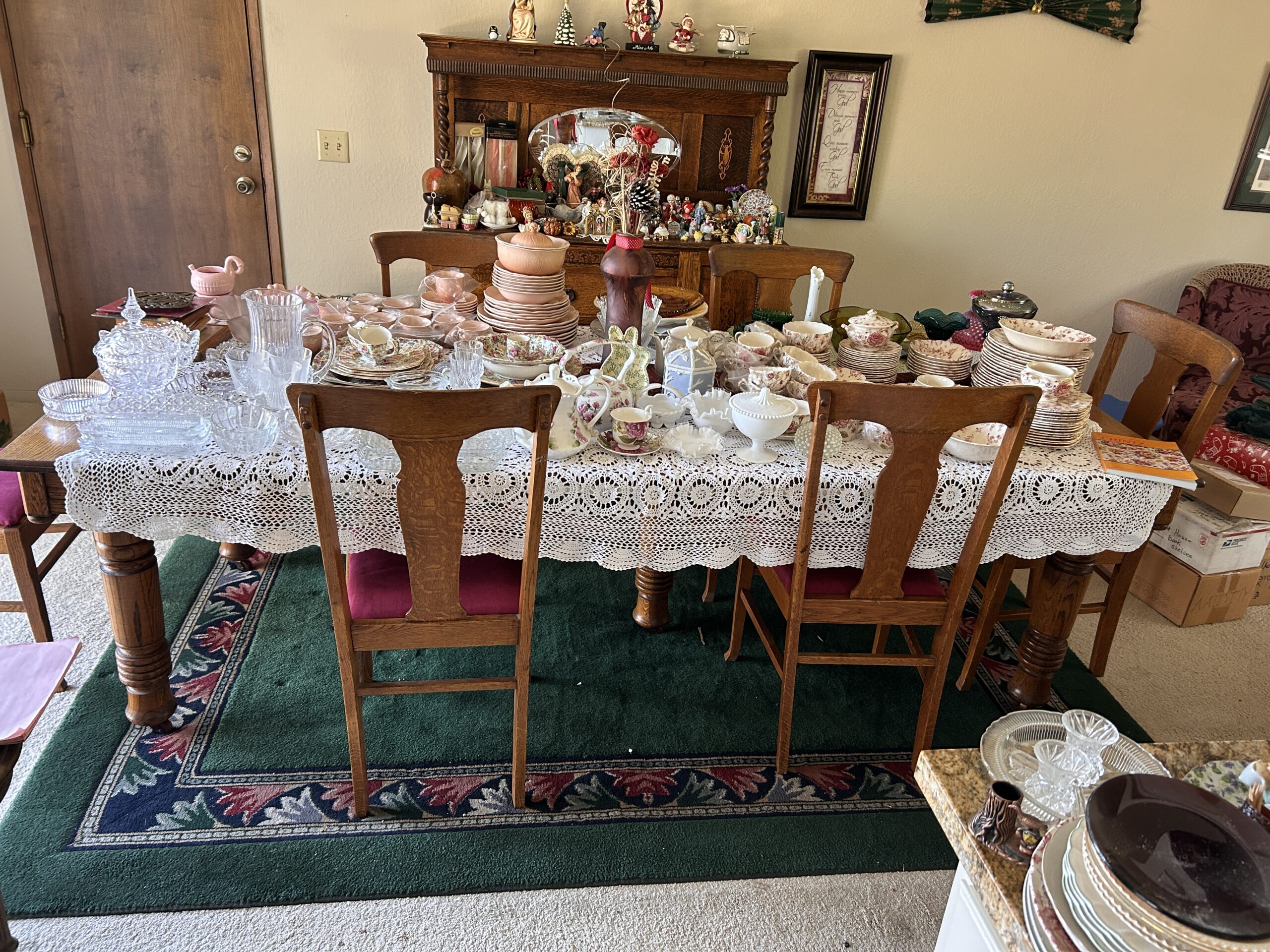
- How Mid-Century design supports mixed-era rooms
- Representative pieces in lived contexts
Each builds outward from this shared understanding.

 Boy Reading Garden Statue – Aged Terra Cotta Look – 20" Long