Why it was meant to be used — not protected
I. Waterford Was Never Meant to Be Precious
One of the most persistent myths around Waterford is that it is too delicate to use.
That idea is modern — and mostly wrong.
Waterford was designed for tables, hands, gatherings, and repetition. Its weight, balance, and clarity were engineered for use, not display. The hesitation many people feel today comes less from Waterford itself and more from a shift in how we treat objects that carry memory.
Crystal did not become fragile. Our relationship to it did.
II. Table Culture: Where Waterford Actually Lives
Waterford belongs where people gather.
Historically, crystal functioned as part of a table culture that valued:
- Slowness
- Ritual
- Repetition
- Hospitality
Glasses were lifted, set down, refilled, and washed — not archived. Minor wear was expected. In fact, it was considered proof of life.
A Waterford glass that has never been used is not “better.” It is simply unfinished.
III. The Feel in the Hand Matters More Than the Look on the Shelf
When you use Waterford, something becomes immediately clear: it feels different.
The rim meets the lip cleanly. The bowl balances without tipping. The stem anchors the glass rather than floating above the table. Even tumblers feel intentional rather than hollow.
These qualities only reveal themselves in use. No photograph — no matter how beautiful — replaces the experience of lifting a piece and feeling its balance.
This is why living with Waterford deepens appreciation instead of diminishing it.
IV. Everyday Use vs. “Special Occasions”
Many owners reserve Waterford for holidays or guests.
There is nothing wrong with that — but it’s worth asking why.
Waterford was not designed for once-a-year appearances. It was designed to elevate ordinary moments. A weekday dinner, a quiet evening drink, a conversation that lasts longer than expected — these are the environments where crystal feels most honest.
When Waterford is used regularly:
- It becomes familiar rather than intimidating
- It integrates into daily rhythm
- It accrues meaning rather than anxiety
V. Care Without Paranoia
Waterford does not require obsession to maintain.
Reasonable care looks like this:
- Gentle washing (hand washing preferred, but not ceremonial)
- Avoiding abrasive detergents
- Drying with a soft cloth rather than air-drying
It does not require:
- Gloves
- Display-only rules
- Fear of fingerprints
- Avoidance of actual use
Crystal is durable when treated with respect, not reverence.
VI. Wear Is Not Damage
Small signs of use — light surface marks, softened edges, base wear — are not flaws. They are evidence.
Collectors often recognize that lightly used pieces can feel better in the hand than untouched examples. The sharpness softens, the balance becomes familiar, and the object integrates into the human environment it was made for.
Damage is structural. Wear is narrative.
Learning the difference changes how you see value.
VII. Living With Inherited Waterford
For many people, Waterford enters life through inheritance.
This can create pressure:
- Fear of breaking something irreplaceable
- Anxiety about “doing the wrong thing”
- Uncertainty about value versus sentiment
The simplest truth is this: inherited Waterford was almost always used by the person who owned it before you.
Using it again does not dishonor that history. It continues it.
VIII. Waterford in Modern Homes
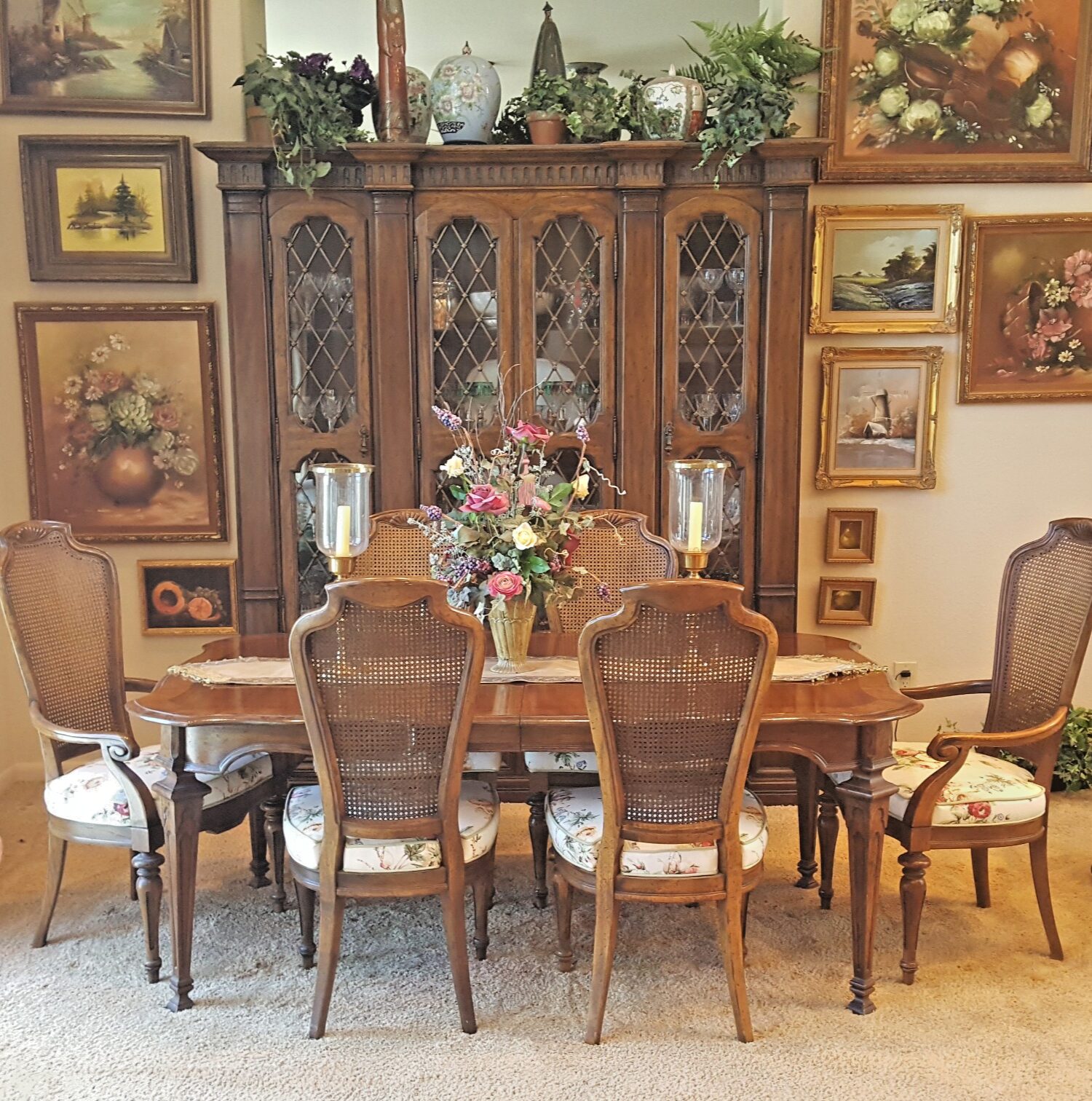
Waterford does not require a formal dining room.
It works just as naturally with:
- Mid-century furniture
- Modern tableware
- Casual interiors
- Mixed materials like wood, glass, and ceramics
Crystal adds contrast and weight to modern spaces without demanding formality. It adapts better than most people expect — especially when it is treated as functional, not ceremonial.
IX. Why Used Waterford Often Feels Better
There is a reason many people prefer used Waterford to new.
It has already been introduced to life. The fear is gone. The stiffness is softened. What remains is clarity, balance, and purpose.
When you stop worrying about perfection, Waterford becomes what it was always meant to be: a companion to living, not a test of caution.
X. Where to Go Next
Once Waterford becomes part of daily life, new questions emerge:
- Why do some pieces feel heavier or sharper than others?
- Why do certain styles feel more formal or relaxed?
- Why do some patterns resonate emotionally while others don’t?
Those questions lead naturally into understanding design eras and pattern philosophy — not as catalogs, but as context.





 Swarovski SCS 1990 Annual Edition "Dolphins" – Retired Crystal Figurine