I. Why Waterford Was Never Meant to Live Alone
Waterford was not designed to exist in isolation.
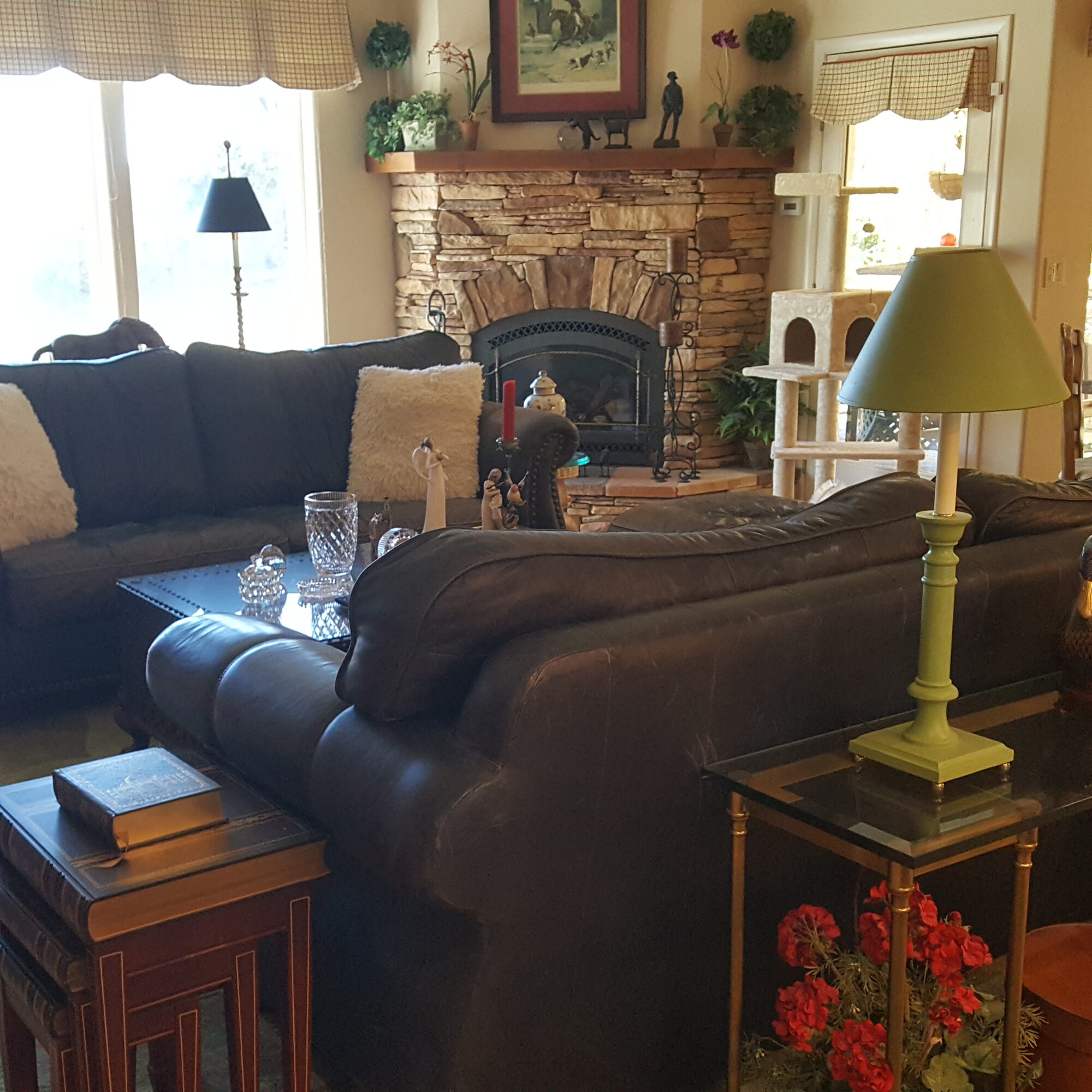
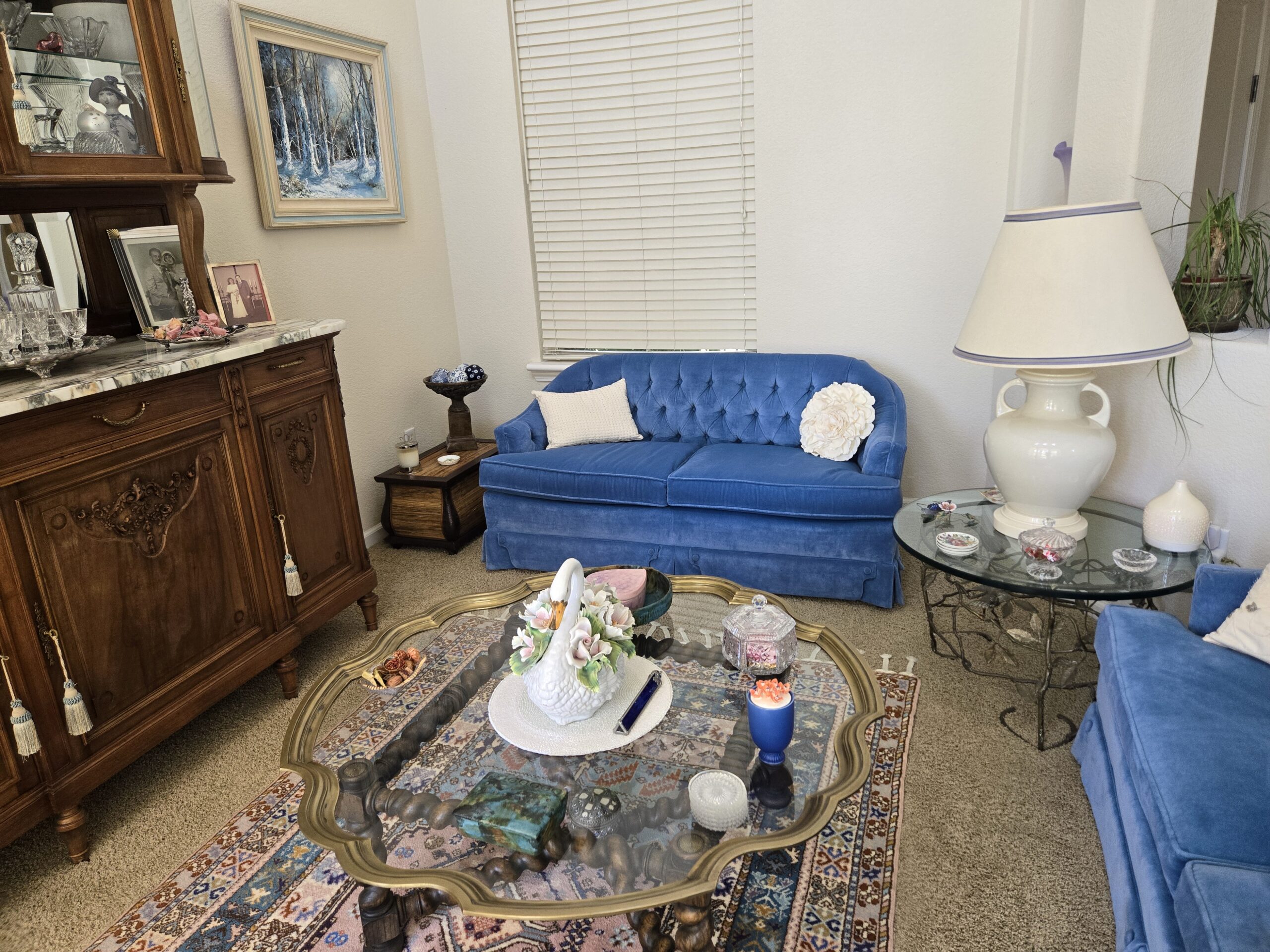
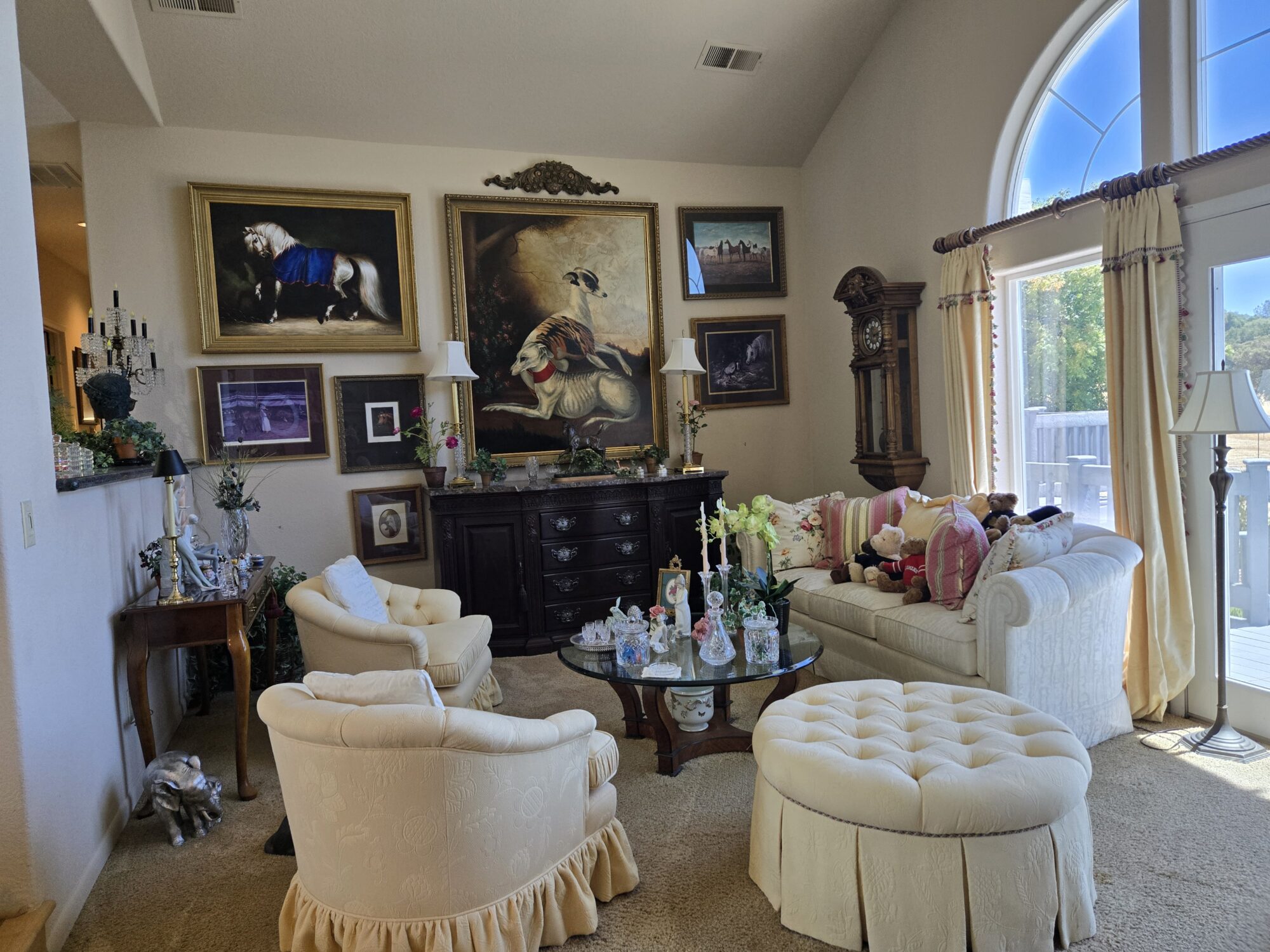
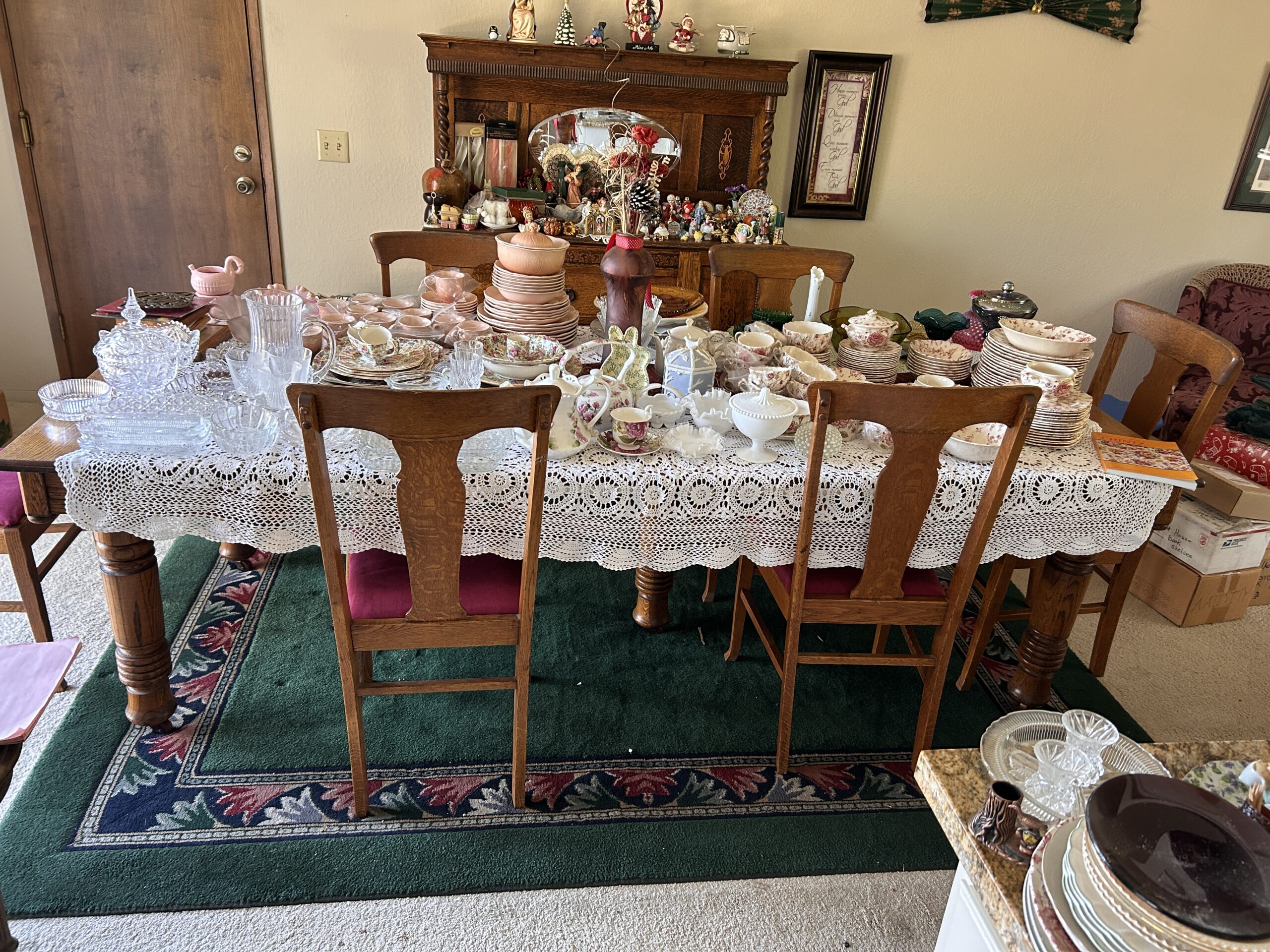
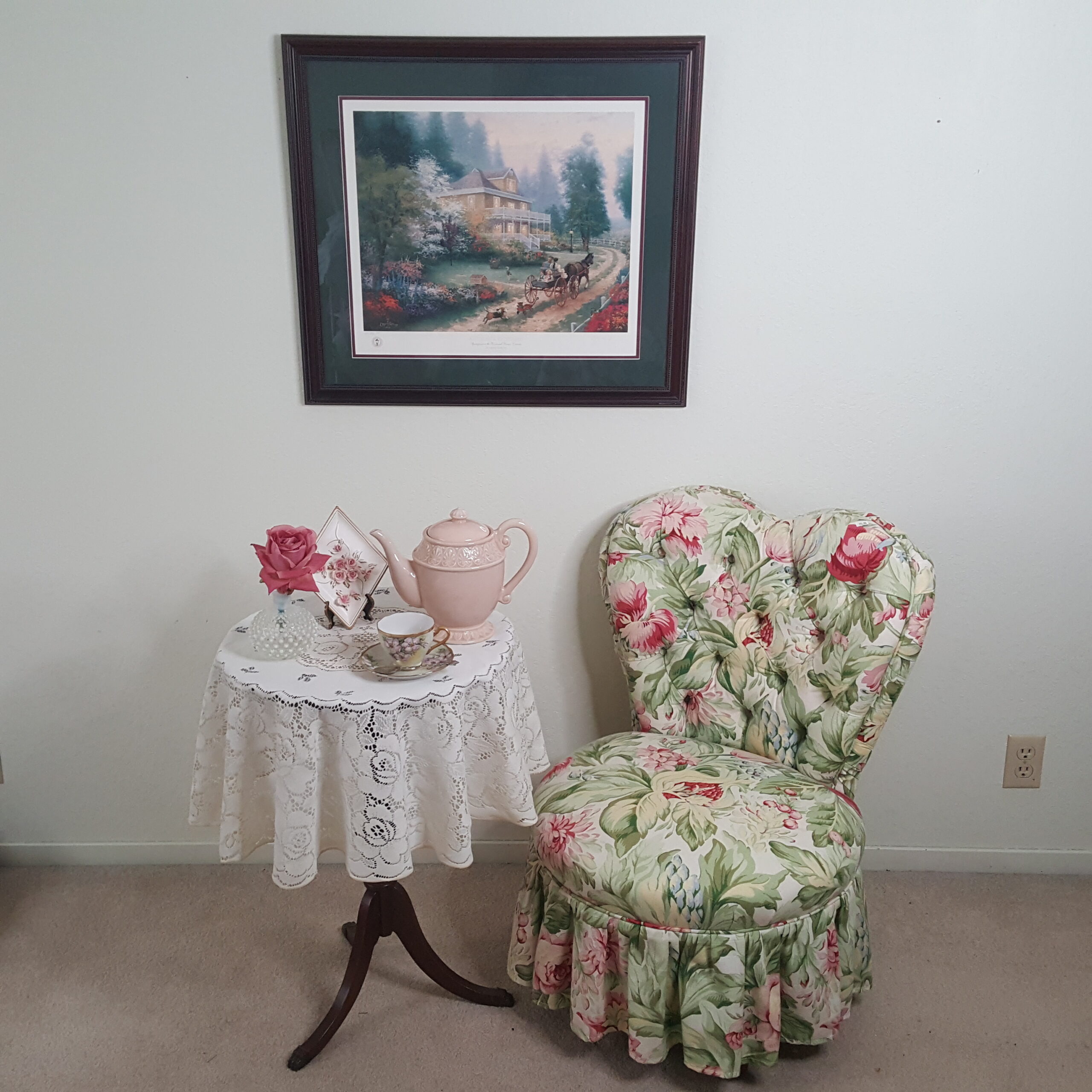
It was designed to participate — in rooms, at tables, among other objects that shape daily life. When crystal is removed from its surroundings and treated as a standalone artifact, it can feel formal or distant. When returned to context, it becomes natural again.
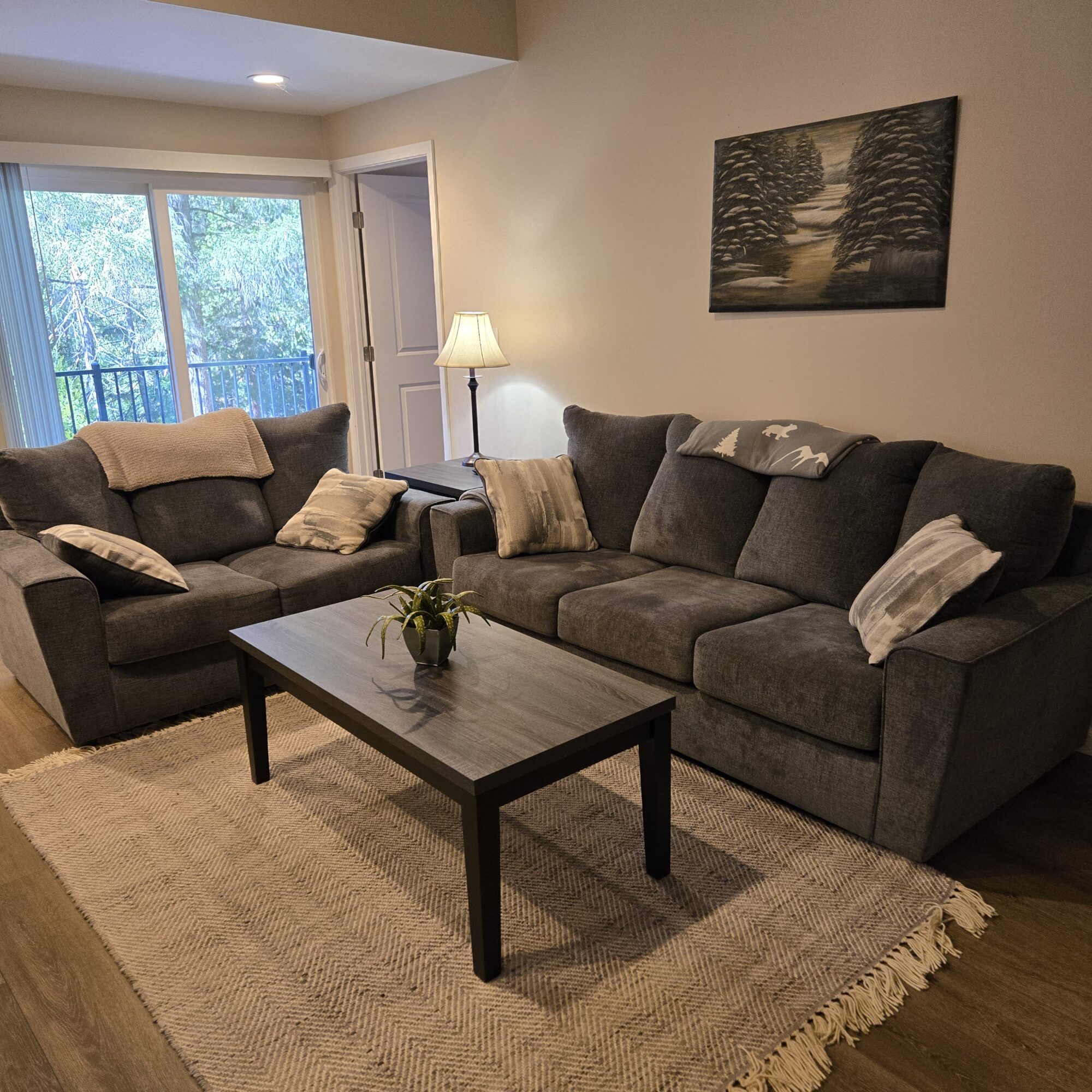
Rooms restore meaning that shelves erase.
II. Table Culture as the Original Setting
Waterford’s design language emerged from table culture, not display culture.
Meals, gatherings, holidays, and ordinary evenings all shaped how crystal was made:
- Weight that feels secure when lifted repeatedly
- Balance that remains comfortable over time
- Cuts that animate candlelight and daylight alike
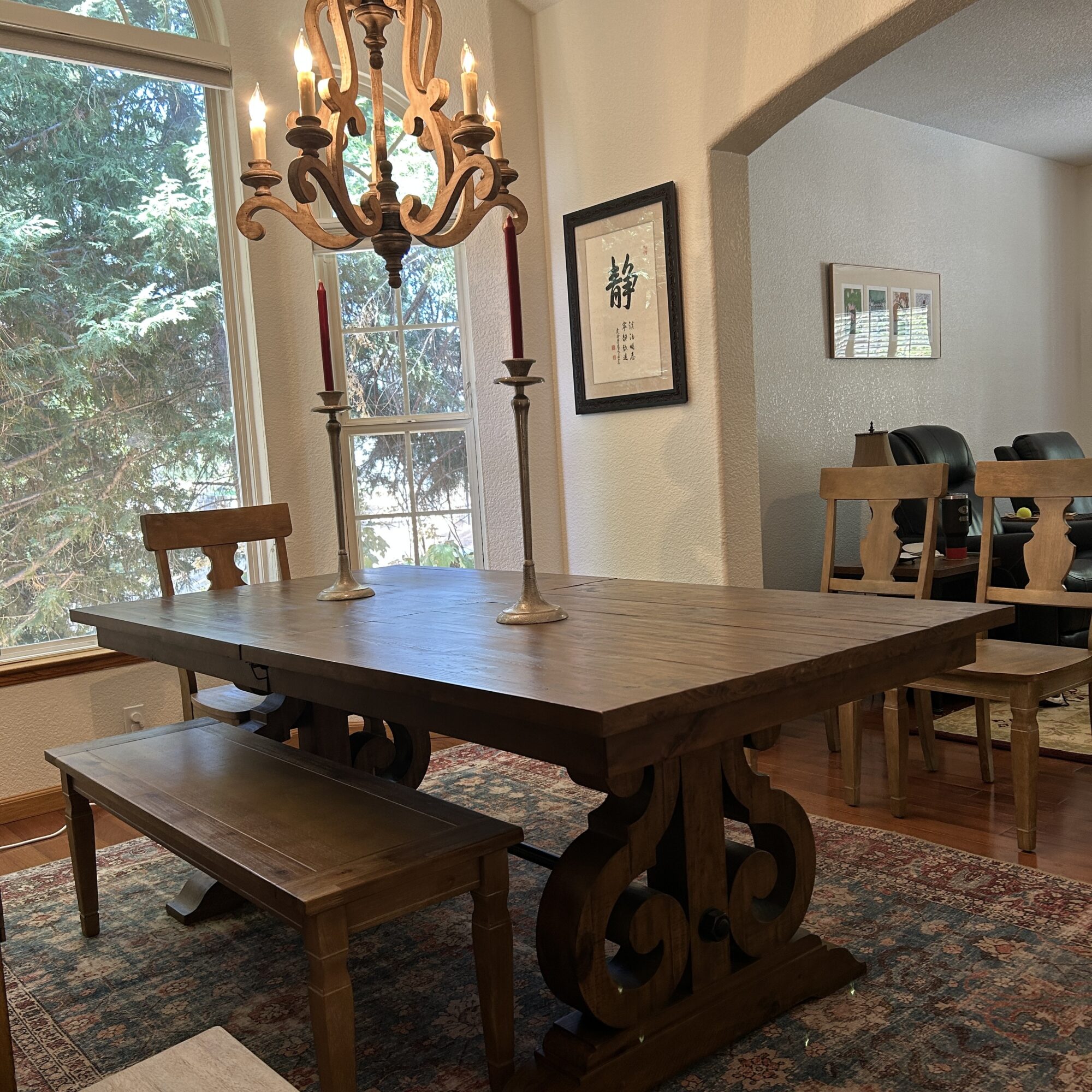
These qualities only fully reveal themselves when the glass is used as intended. A table is not a backdrop — it is the environment Waterford was built for.
III. Waterford Among Other Materials
Crystal gains depth when placed alongside contrasting materials.
Waterford pairs naturally with:
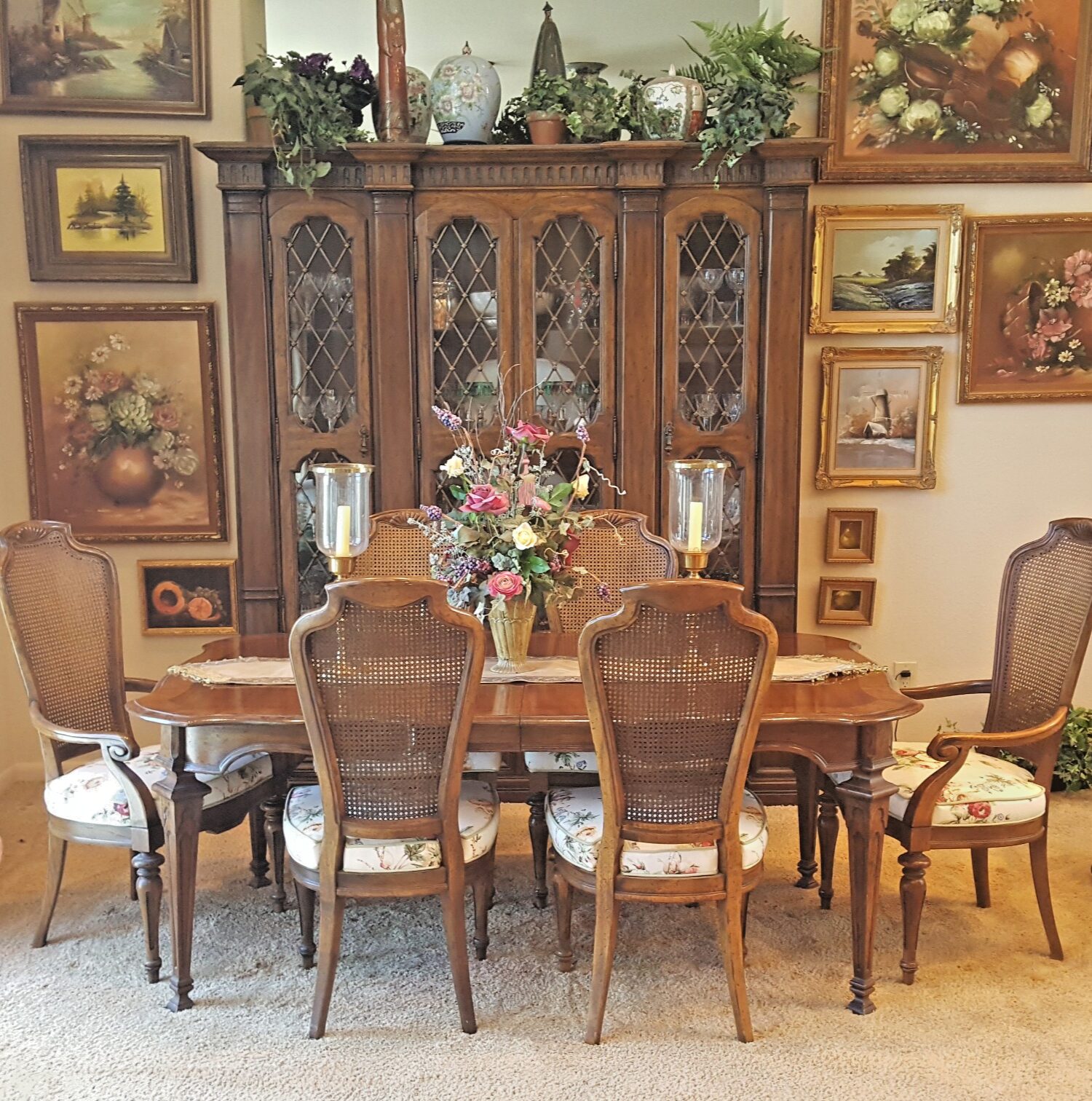
- Wood furniture that absorbs light
- Linen and cotton textiles that soften reflections
- Porcelain that carries pattern without optical competition
- Metal and brass that add warmth and structure
This balance is why Waterford integrates so easily across eras and styles. It does not demand dominance. It establishes rhythm.
IV. Rooms as Memory Containers
Rooms hold memory differently than objects do.
A glass may be remembered for what it held, but a room remembers who was there. When Waterford appears consistently within a space — dining room, sideboard, cabinet, or table — it becomes part of the room’s identity.
This is why inherited pieces often feel “right” even when they don’t match anything else. They belong to a remembered environment, not a design trend.
V. Mixing Eras Without Losing Coherence
One of Waterford’s strengths is its ability to coexist with objects from different periods.
It works comfortably with:
- Mid-century furniture
- Traditional case goods
- Contemporary lighting
- Everyday glassware and ceramics
Because its identity is grounded in material behavior rather than fashion, it acts as a stabilizing presence rather than a stylistic statement.
VI. Use Without Paranoia
Living with Waterford does not require ritualized caution.
Reasonable care matters, but anxiety does not improve longevity. Crystal designed for use benefits from being handled, washed, and returned to circulation. Objects that are never used tend to lose relevance long before they lose condition.
Waterford ages better in motion than in storage.
VII. Why Rooms Change Perceived Value
Value shifts when context changes.
A single glass on a shelf may feel insignificant. The same glass on a table, surrounded by people and purpose, often feels essential. Rooms give objects narrative weight that markets cannot measure.
This is one reason Waterford continues to appear in estates rather than collections — it was integrated into life, not removed from it.
VIII. From Objects to Environments
Understanding Waterford fully means stepping back.
When seen as part of an environment rather than an isolated collectible, its design decisions make sense:
- Why it favors balance over delicacy
- Why it avoids extreme ornamentation
- Why it remains adaptable rather than trendy
This perspective reframes ownership as participation rather than possession.
IX. Where This Leads
Once Waterford is understood in rooms and domestic life, collecting becomes secondary to living. Pieces are chosen for how they function within spaces rather than how they perform in listings.
At that point, the difference between owning Waterford and using Waterford becomes clear — and the object returns to its original purpose.