I. Why Context Matters More Than Comparison
Waterford is often discussed in isolation, as if it exists on its own island of craftsmanship. In reality, it belongs to a long, interconnected tradition of glassmaking and decorative arts that spans continents, cultures, and centuries.
Understanding Waterford in context does not diminish it. It clarifies why it feels the way it does — in the hand, in light, and in use — and why it occupies a distinct place among crystal traditions rather than competing directly with them.
This perspective replaces brand loyalty with material literacy.
II. Irish, American, and Continental Traditions: Different Priorities
Crystal traditions evolved in response to different cultural needs.
Irish crystal, including Waterford, prioritized:
- Weight and stability
- Strong optical presence
- Durability for regular use
- Visual authority on the table
American crystal traditions often emphasized:
- Precision and refinement
- Lighter profiles
- Formal table settings
- Industrial consistency
Continental European crystal leaned toward:
- Technical brilliance
- Decorative complexity
- Display-oriented aesthetics
- Luxury signaling
None of these approaches is inherently superior. They reflect different relationships between object, user, and ritual.
III. How Waterford Differs From Other Major Makers
Waterford is frequently compared to other well-known crystal houses, but those comparisons are most useful when focused on feel rather than reputation.
Compared to American makers, Waterford often feels:
- Heavier in the hand
- More grounded
- Less delicate, more assured
Compared to Continental houses, Waterford tends to:
- Favor clarity over ornament
- Emphasize use over display
- Prioritize balance over spectacle
These distinctions explain why Waterford often integrates more naturally into lived spaces, rather than demanding formal settings.
IV. Why Waterford Feels Different in the Hand
Many people recognize Waterford instantly without knowing why.
That recognition comes from a combination of:
- Glass density
- Cut depth
- Center of gravity
- Rim and stem proportions
Waterford pieces are designed to be held, not hovered over. The glass settles into the hand, rather than floating above it. This physical relationship is intentional and deeply tied to Irish table culture.
It is one of the reasons Waterford ages gracefully rather than feeling dated.
V. Decorative Arts as a System, Not a Category
Crystal does not exist alone.
It lives alongside:
- Porcelain
- Furniture
- Textiles
- Lighting
- Ceramics
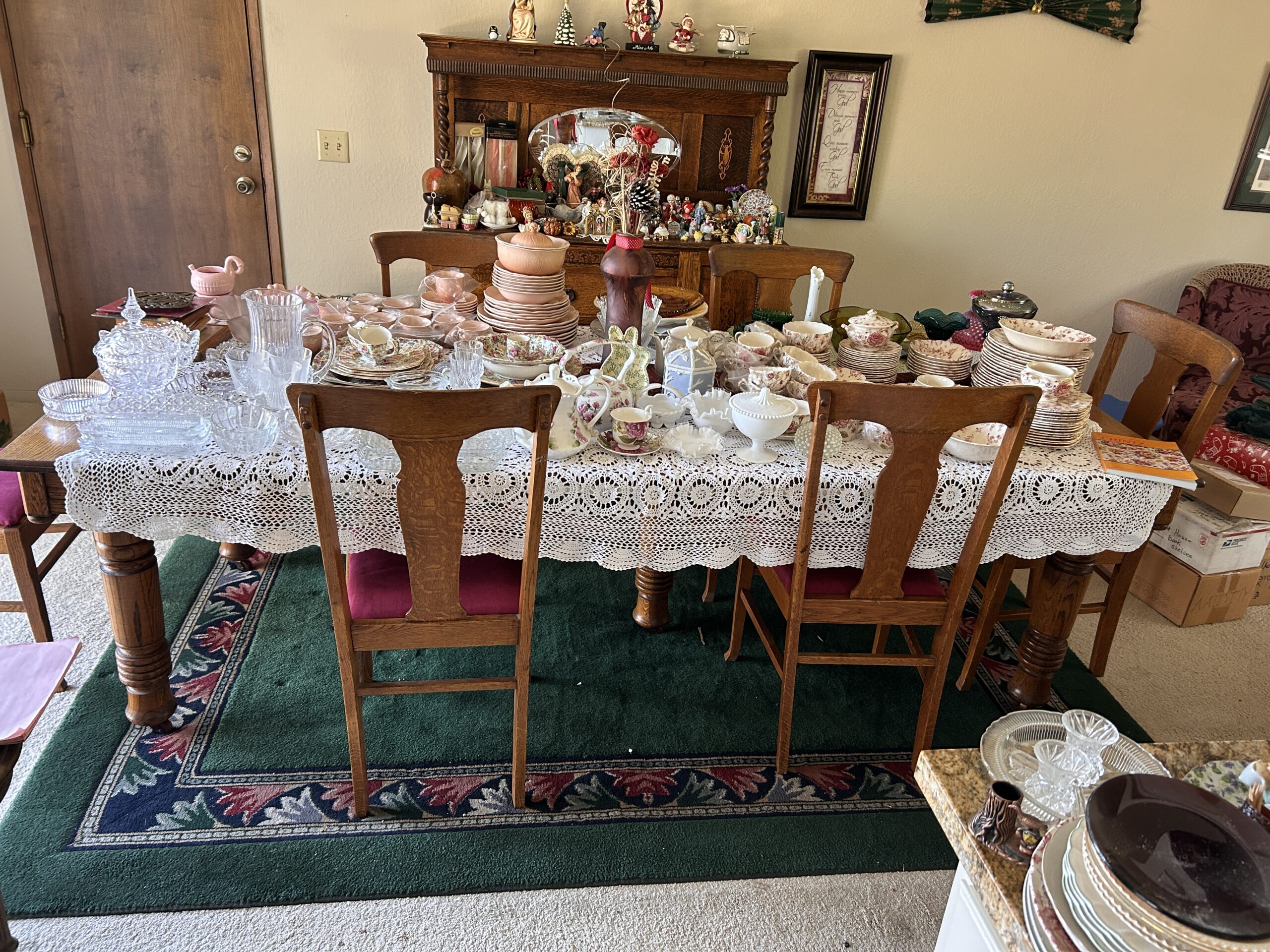
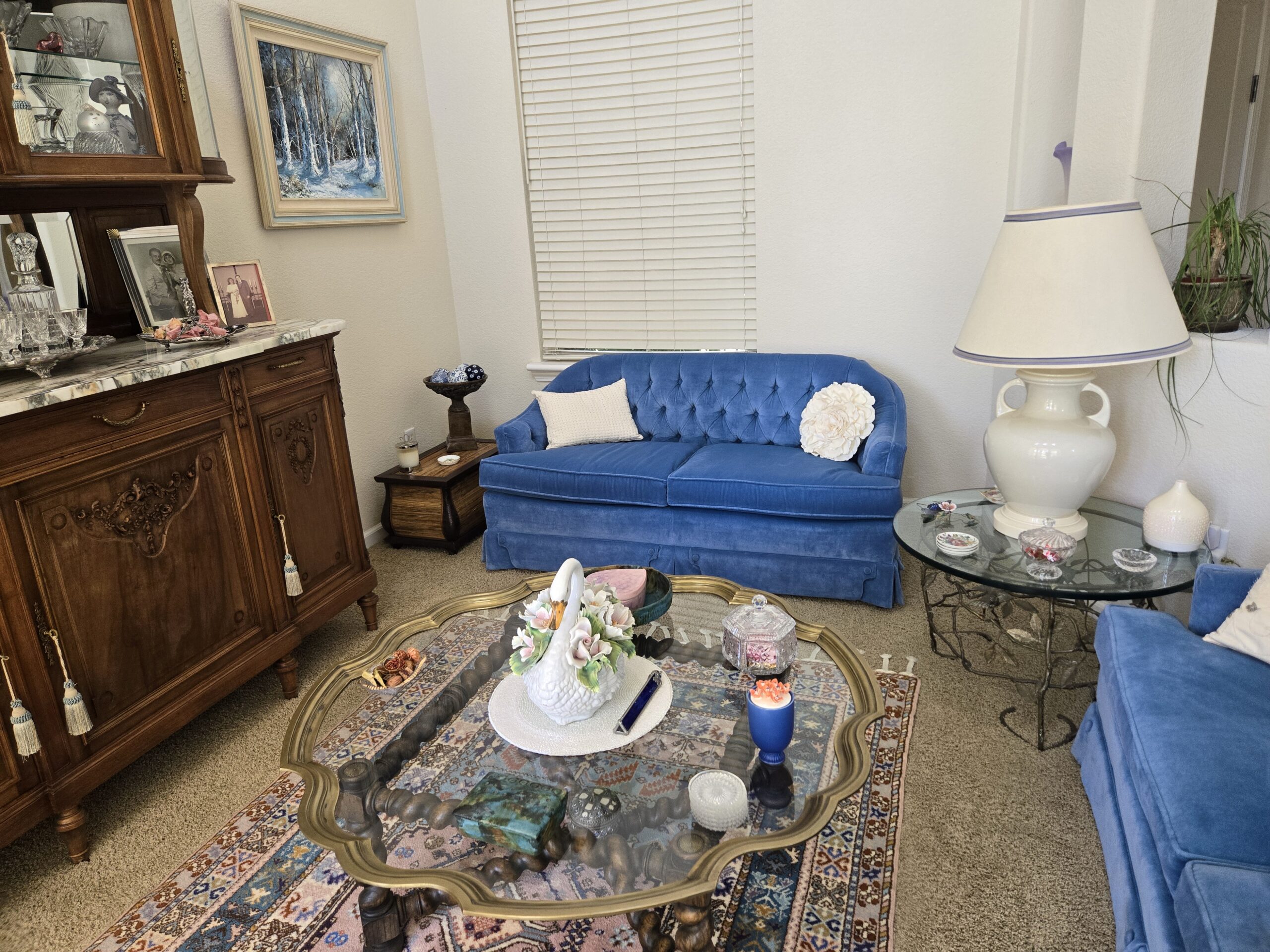
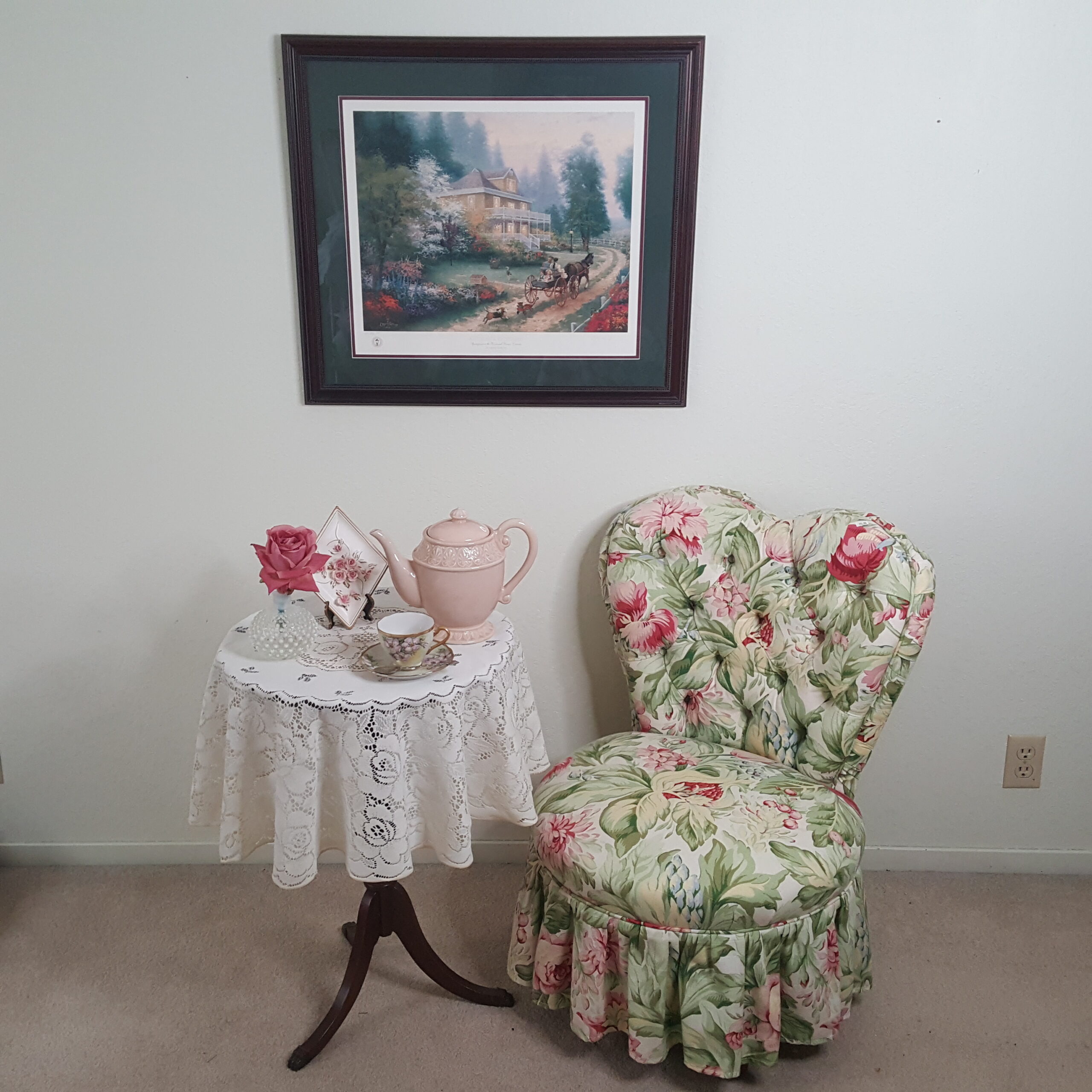
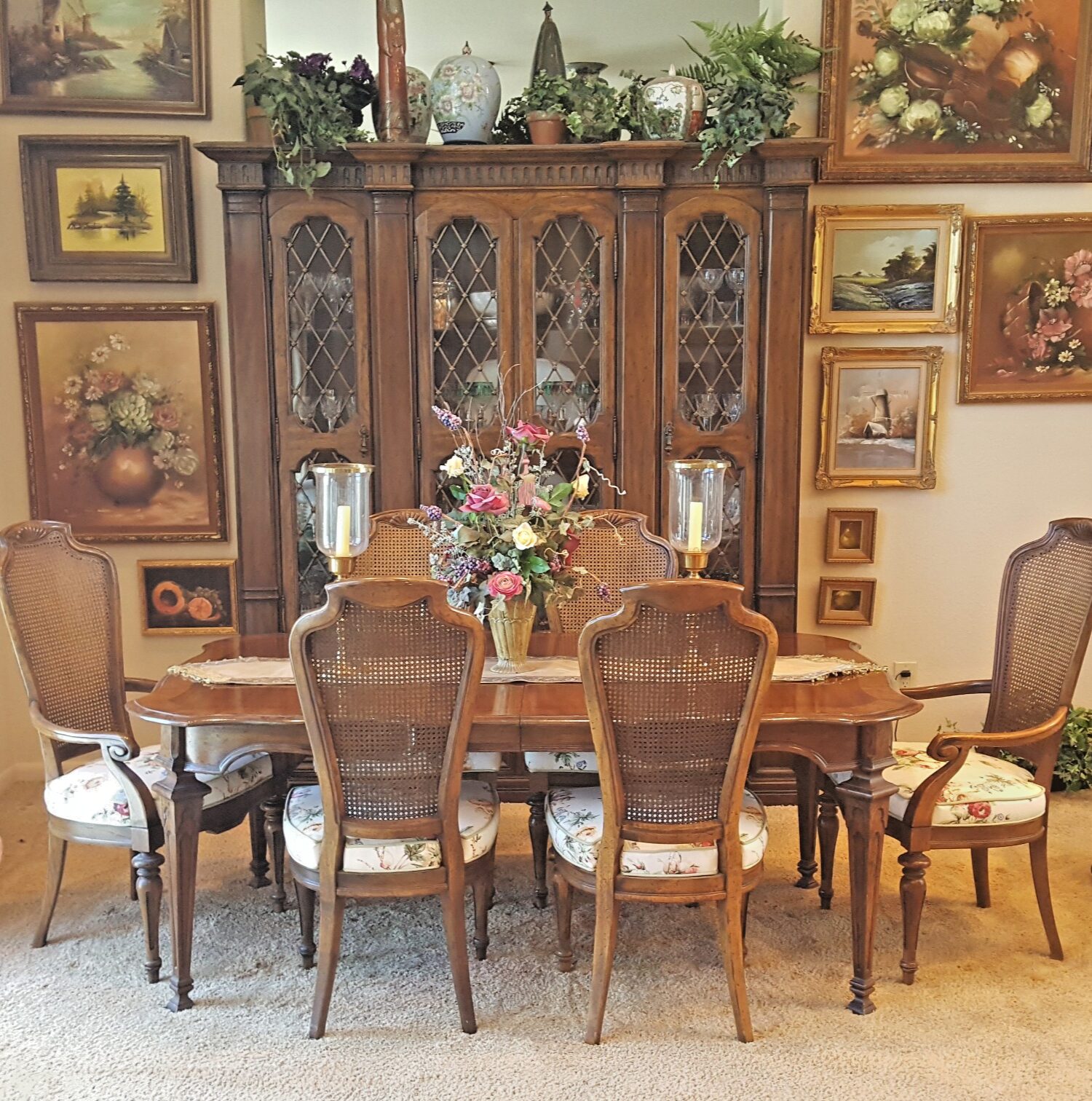
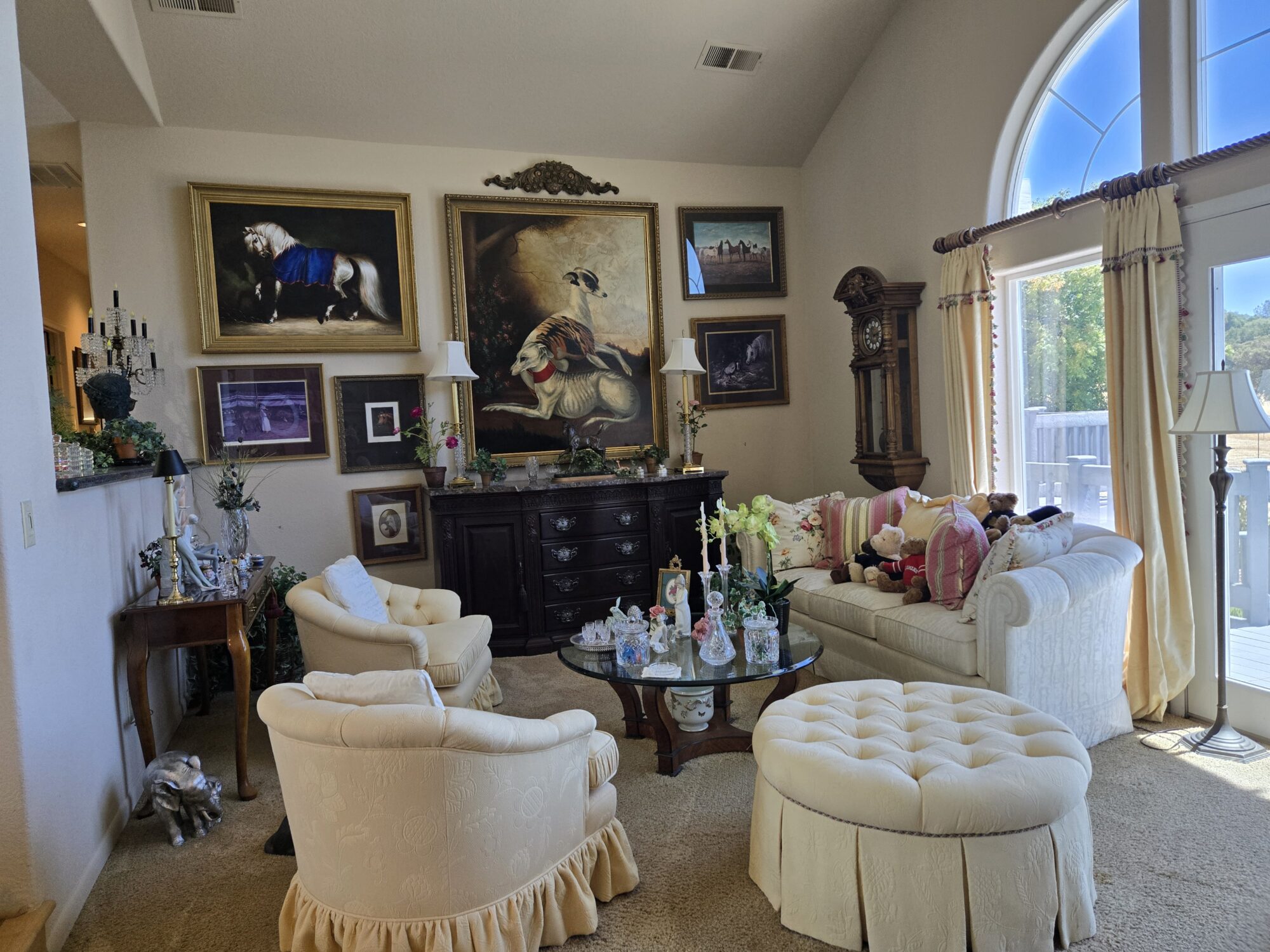
Waterford was never meant to dominate a room. It was meant to anchor it. When viewed as part of a decorative system rather than a standalone luxury object, its design choices make immediate sense.
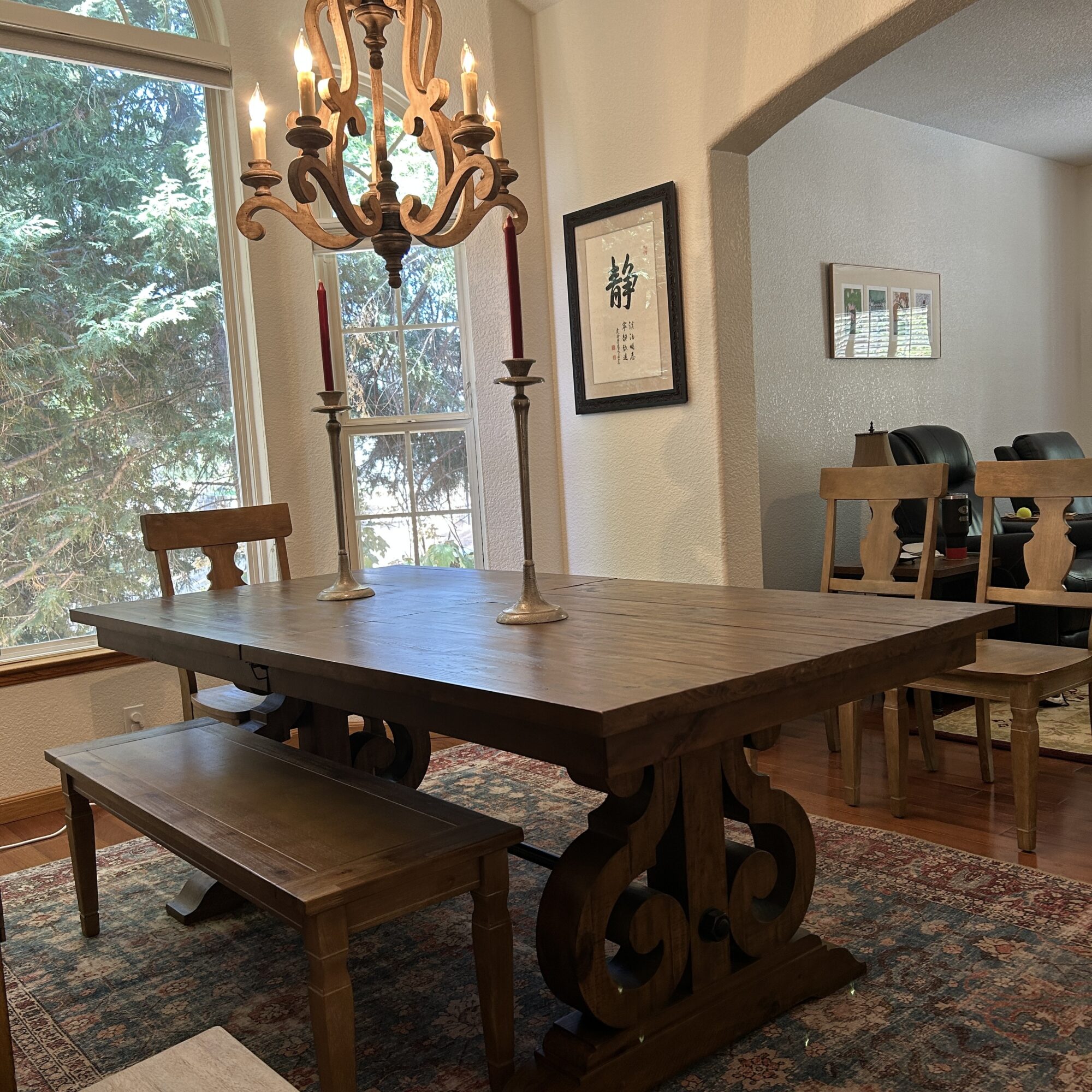
This is also why Waterford pairs so naturally with objects from different eras without visual conflict.
VI. Why Waterford Integrates Across Eras
Unlike trend-driven decorative objects, Waterford adapts quietly.
It works with:
- Traditional interiors
- Mid-century environments
- Contemporary spaces
- Eclectic, layered homes
Because its identity is rooted in material behavior rather than fashion, it absorbs context instead of resisting it. This quality allows Waterford to remain relevant without reinventing itself.
VII. Waterford’s Role in Modern Collecting
In modern collecting culture, Waterford occupies a unique position.
It is:
- Familiar but not disposable
- Accessible but not trivial
- Recognizable without being performative
Collectors who understand this tend to treat Waterford as a stabilizing presence rather than a centerpiece. It becomes the object that makes everything else feel intentional.
VIII. From Comparison to Understanding
Comparisons are useful only until understanding replaces them.
Once Waterford is seen as part of a broader decorative tradition — rather than a competitor in a resale hierarchy — it becomes easier to evaluate pieces on their own merits: form, balance, clarity, and use.
This shift in perspective is what separates ownership from literacy.
IX. Where This Perspective Leads Next
With context established, attention naturally turns back inward:
- How specific pieces function in real homes
- How they interact with other objects
- How they shape memory, ritual, and atmosphere
That understanding opens the door to seeing Waterford not as inventory, but as part of lived environments.



 Fitz and Floyd Madame Pompidog Teapot – 1990 Poodle in Gown Reigning Cats & Dogs